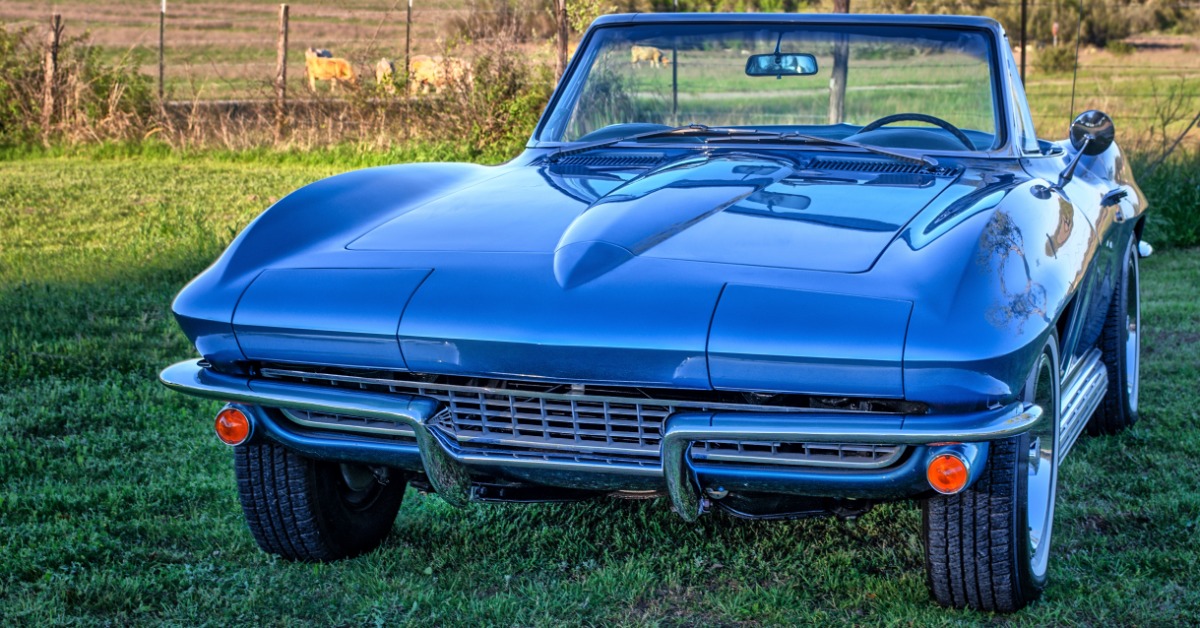
A long drive in a Corvette feels different than a routine cruise around town. The car responds to every road surface, every shift, and every temperature change, which gives the trip its character. Still, classic Corvette travel takes planning because older systems need attention before you ask them to handle hours of steady driving.
Good ways to prepare for a road trip in your Corvette start with inspection, maintenance, packing, and a clear plan for the road ahead. This way, you can catch small concerns before they interrupt the fun.
With a thorough prep routine, you’ll spend less time worrying and more time enjoying the car you’ve worked hard to maintain.
Start With a Full Walkaround
A careful walkaround helps you spot concerns before you open the hood. Start with the tires, lights, body panels, glass, and weatherstripping. Look for uneven tire wear, low pressure, loose trim, cracked lenses, and seals that no longer sit tight. Highway driving puts steady stress on every exterior part.
Pay close attention to anything that has changed since your last drive. A new drip under the car, a softer brake pedal, or a different engine sound deserves attention before a long trip. Classic Corvettes give drivers plenty of feedback, and that feedback can guide your prep. Trust what you see, hear, and feel during the walkaround.
Check the doors, hood, and storage areas, too. Latches should open and close smoothly. Weatherstripping should seal well enough to limit wind noise and water intrusion. A comfortable road trip starts with a car that feels secure before you leave the driveway.
Check Fluids Before You Add Miles
Fluids tell you a lot about your Corvette’s current condition. Check the engine oil, coolant, brake fluid, transmission fluid, power steering fluid, and differential fluid as your model calls for. Look at both the level and the condition, because dirty, burnt, or milky fluid signals trouble. A quick top-off won’t fix a larger issue, and a road trip will expose weak spots.
Coolant deserves extra attention before warm-weather driving. Older Corvettes can run hot when cooling parts age, airflow drops, or hoses weaken. Inspect the radiator, cap, hoses, clamps, and overflow system. If a hose feels brittle or swollen, replace it before the trip.
Brake fluid also matters because long drives may include hills, traffic, and sudden stops. A firm pedal gives you confidence, while a soft pedal calls for inspection. Don’t ignore leaks near calipers, wheel cylinders, master cylinders, or lines. Your braking system deserves a careful look before any extended drive.
Inspect Belts, Hoses, and Ignition Parts
Belts and hoses don’t always give much warning before they fail. A cracked belt, loose tension, or glazed surface can create noise and charging problems. A weak hose can split under heat and pressure. Replace tired parts before the drive rather than carrying the risk onto the highway.
Ignition parts also affect confidence during a road trip. Check spark plug wires, distributor parts, ignition connections, and battery terminals. Corrosion, looseness, or heat damage can cause rough running or no-start problems. A classic Corvette may run well around town yet struggle after hours of heat and vibration.
Owners of late-model C3S should pay close attention to model-year fitment when ordering replacement parts. The right 1977 Corvette parts help preserve fit, function, and drivability because small differences can affect installation. Matching parts to your Corvette’s year and configuration saves time before the trip starts.

Give Tires and Brakes Extra Attention
Tires and brakes shape how your Corvette feels during long stretches, traffic, and changing road surfaces. Since classic Corvettes may sit between drives, age can affect rubber, brake components, and pedal feel even when mileage stays low. Check these areas before the trip, and take a short test drive to catch pulling, vibration, or unusual noise.
Quick Tire and Brake Checklist
- Set tire pressure to the proper spec for your setup
- Check tread depth and sidewall condition
- Confirm lug nut torque with the right tool
- Inspect visible brake hardware for wear
- Test pedal feel during a short drive
- Listen for noise during light and firm braking
Pack the Right Tools and Spares
A Corvette road trip doesn’t need a trunk full of tools, but a small kit can fix common roadside issues. Pack a tire gauge, basic tools, flashlight, gloves, fuses, tape, zip ties, and towels.
Keep everything organized to prevent rattling and scratching. Include model-specific spares such as extra belts, bulbs, fuses, clamps, and fluids suited to your Corvette. A compact jump starter adds peace of mind, especially in rural areas. Pack parts based on your car’s weak points, not guesswork.
Bring essential paperwork—registration, insurance, roadside assistance info, and recent repairs. If your Corvette has a unique starting routine or fuel preference, note it for others. may drive the car. Simple prep reduces stress during a busy travel day.

Test Drive Before the Long Drive
A pre-trip test drive lets you check the car under normal driving conditions. Drive at city speeds, cruise at highway speeds, and pay attention during braking and turning. Listen for sounds that change with speed, steering input, or engine load. A sound that seems minor at 35 mph may grow annoying after several hours.
Watch the gauges throughout the drive. Oil pressure, temperature, charging, and fuel readings should act as expected. If a gauge moves strangely, investigate before the trip. A gauge problem may come from the sender, wiring, or the system it monitors.
Use the test drive to confirm comfort items as well. Check seat position, ventilation, wipers, mirrors, and interior lights. Long hours in a Corvette feel better when the cabin supports the drive. Comfort matters because fatigue affects focus and enjoyment.
Plan Your Route Around the Car
Route planning helps match the trip to your Corvette’s age, condition, and setup. Choose roads that suit your comfort level and allow for fuel stops. Classic Corvettes may have smaller fuel ranges than modern cars, especially when tuned for performance. Plan fuel stops before the tank runs low.
The weather deserves a close look before departure. Rain, high heat, and heavy traffic can change the way a classic Corvette behaves. Older weather seals, vacuum systems, cooling parts, and wipers may struggle during rough conditions. Adjust your timing when the forecast looks unfriendly.
Parking also deserves attention. Look for safe, well-lit areas with enough room to avoid door dings. If you plan overnight stops, choose places where you’ll feel comfortable leaving the car. A little planning helps protect the Corvette after the driving ends for the day.
Get Your Corvette Ready for the Miles Ahead
The best ways to prepare for a road trip in your Corvette come down to care, planning, and respect for the car’s age. Inspect the parts that carry the biggest workload, fix concerns before they grow, and pack tools that match your route.
Your Corvette deserves attention before a long drive, and that attention helps every mile feel smoother. When you need parts for repair, restoration, or pre-trip maintenance, Volunteer Vette Products can help you get your classic Corvette ready for the road.
Speak Your Mind