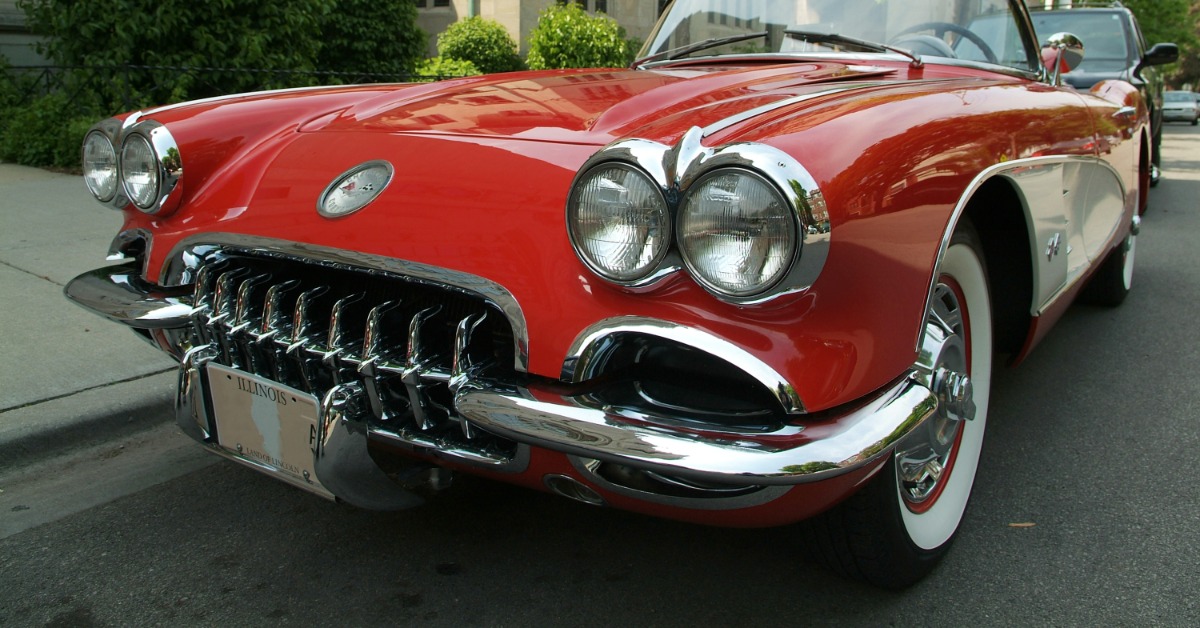
Early Corvettes carry a timeless design that still captures attention on any road. Owners often want more than looks, though. They want a car that drives with confidence, responds well, and feels comfortable behind the wheel. That balance explains why the most popular types of C1 Corvette modifications focus on improving performance and usability while respecting the original design.
C1 Corvettes respond well to thoughtful upgrades, whether the goal centers on better handling, stronger performance, or improved comfort. Keep reading as we break down the upgrades owners choose most often and how each one shapes the driving experience.
Engine Performance Upgrades
The original engines in C1 Corvettes deliver solid performance for their era, providing a reliable foundation for enthusiasts. Many owners seek a bit more responsiveness and a slight increase in power.
Small, strategic modifications can awaken the engine’s potential without significantly altering the car’s classic character. Upgraded intake components and modern carburetors help optimize airflow and fuel delivery, resulting in better throttle response.
Ignition system updates contribute to smoother startups and more consistent power delivery. Some owners go further, installing camshaft upgrades or small block enhancements, which yield noticeable performance gains while preserving the vehicle’s vintage appeal and original design integrity.
Suspension And Handling Improvements
Handling plays a major role in how a C1 Corvette feels on the road. The factory setup tends to favor a softer ride, which can feel loose or imprecise during sharp turns or when driving over uneven pavement.
Upgrading to modern shocks and springs firms up the suspension, enhancing stability and responsiveness. Installing polyurethane bushings reduces excess movement in the suspension components, resulting in a more connected and precise feel.
Sway bars further improve control by reducing body roll during cornering, increasing confidence and safety. These upgrades collectively make the car feel more predictable, responsive, and enjoyable to drive, particularly on longer trips or through winding roads.

Brake System Enhancements
Braking upgrades rank high for a reason. Original drum brakes work, though they struggle to meet modern driving demands and can be less reliable under heavy use.
Disc brake conversions provide stronger and more consistent stopping power, greatly improving safety and performance. Drivers notice better control during sudden stops and less fade during repeated braking, especially on prolonged drives or steep descents.
A dual master cylinder setup adds another level of safety by ensuring better brake pressure distribution and redundancy, which gives many owners extra confidence behind the wheel.
Transmission And Drivetrain Updates
The transmission shapes how the car feels during every drive. Original gearboxes offer a classic experience, though they can feel limited on highways or extended drives.
Many owners choose a 5-speed manual transmission for smoother shifting and better gear spacing. This upgrade lowers engine strain at higher speeds and makes the car more comfortable on longer trips. Clutch upgrades also improve engagement, which helps during stop-and-go traffic.
Rear axle updates support these changes by adding strength and improving durability over time.
Electrical System Modernization
Aging electrical systems often create small issues that turn into larger problems. Replacing outdated wiring and components helps eliminate that uncertainty.
A new wiring harness improves reliability across the entire vehicle. Updated alternators provide steady power, especially when adding modern lighting or accessories. These changes also support future upgrades, making the car easier to maintain over the long term.
Interior Comfort And Usability
C1 interiors deliver classic styling, though comfort levels often leave room for improvement. Many owners focus on small changes that make a big difference during longer drives.
Seat foam replacements improve support without changing the look of the interior. Sound-deadening materials help reduce road noise and create a quieter cabin. Updated gauges can also improve visibility while keeping a period-correct appearance.
These updates help the car feel more enjoyable without taking away from its vintage appeal.
Exterior Styling And Restoration Touches
Most owners prefer to keep the original look of a C1 Corvette intact. Exterior modifications usually focus on restoring details rather than changing the design.
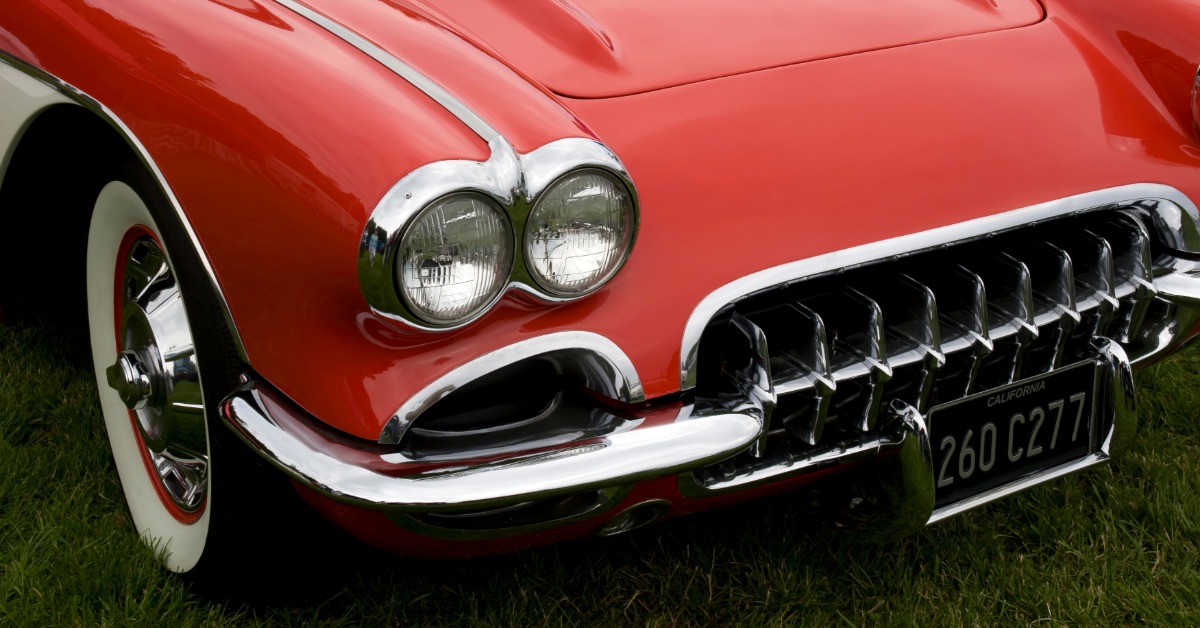
Chrome trim restoration brings back the shine that defines these early models. Lighting upgrades improve visibility while still matching the era. Paint refinishing also plays a major role, especially when the goal is to bring the car back to life visually.
Sourcing quality components matters here. Many enthusiasts rely on trusted suppliers for 1962 Corvette parts when refining exterior details, which helps maintain proper fit and finish.
Cooling System Improvements
Heat can create problems for older engines, especially during warm weather or slow traffic. Upgrading the cooling system helps keep temperatures under control.
Aluminum radiators improve heat dissipation and support steady engine performance. Electric fans increase airflow when the car is idling or moving slowly. These upgrades help protect the engine and make driving more dependable in different conditions.
Fuel System Updates
Fuel delivery affects how the car responds every time you press the pedal. Older systems can lose efficiency or create inconsistent performance.
Modern fuel pumps and updated lines improve reliability and reduce the chance of leaks. Carburetor adjustments or replacements also help create smoother acceleration. When paired with engine upgrades, these changes help the car feel more balanced and predictable.
Choosing The Right Modifications For Your C1
Every build starts with a goal. Some owners want a factory-correct restoration, while others want a car that performs better in modern traffic. Most fall somewhere in between.
Taking time to map out your approach can save both time and money. Each upgrade should work with the rest of the vehicle rather than compete with it.
What To Consider Before You Start
Before making any changes, it helps to look at the bigger picture and understand how each decision affects the overall build.
- How often do you plan to drive the car
- The balance between originality and performance
- Your budget and timeline
- Compatibility between upgraded components
Thinking through these factors early leads to a smoother build and better long-term results.
Why These Modifications Stay Popular
C1 Corvette owners continue to choose upgrades that improve performance, safety, and comfort while respecting the car’s original design. That balance keeps these modifications relevant year after year.
The most popular C1 Corvette modifications remain popular because they address real driving challenges. Better handling, stronger braking, improved reliability, and increased comfort all contribute to a more enjoyable experience.
With the right approach and quality parts, a C1 Corvette can deliver a driving experience that feels just as rewarding today as it did decades ago.
Speak Your Mind