
If your Corvette doesn’t feel as tight or smooth as it used to, your suspension could be the reason. Every turn, stop, and stretch of road depends on how well that system holds up. This ultimate guide to Corvette suspension maintenance helps you stay ahead of wear and keep your Corvette handling the way it should every time you take it out. Whether you cruise on weekends or dial in performance, staying on top of suspension care makes a real difference.
A lot of owners focus on engine work or appearance upgrades first. Suspension often gets overlooked until something feels off.
By that point, wear has usually spread across multiple components. Staying proactive keeps your Corvette driving right and helps you avoid bigger repairs down the line.
Why Your Suspension Matters More Than You Think
Your suspension does more than soften the ride. It keeps your tires planted, your steering predictable, and your car stable when you push it a little harder. When parts wear out, everything feels off. You might notice looser handling or a rougher ride.
Over time, that lack of control can even affect braking distance and your confidence when handling corners. Comfort also matters. A worn suspension can make long drives tiring, especially when the car starts reacting harshly to small bumps.
Keeping everything in good shape helps your Corvette stay fun to drive, not just functional. Classic Corvettes need even more attention. Age alone stresses original parts, so regular maintenance helps you keep everything working smoothly.
What’s Actually in Your Suspension System
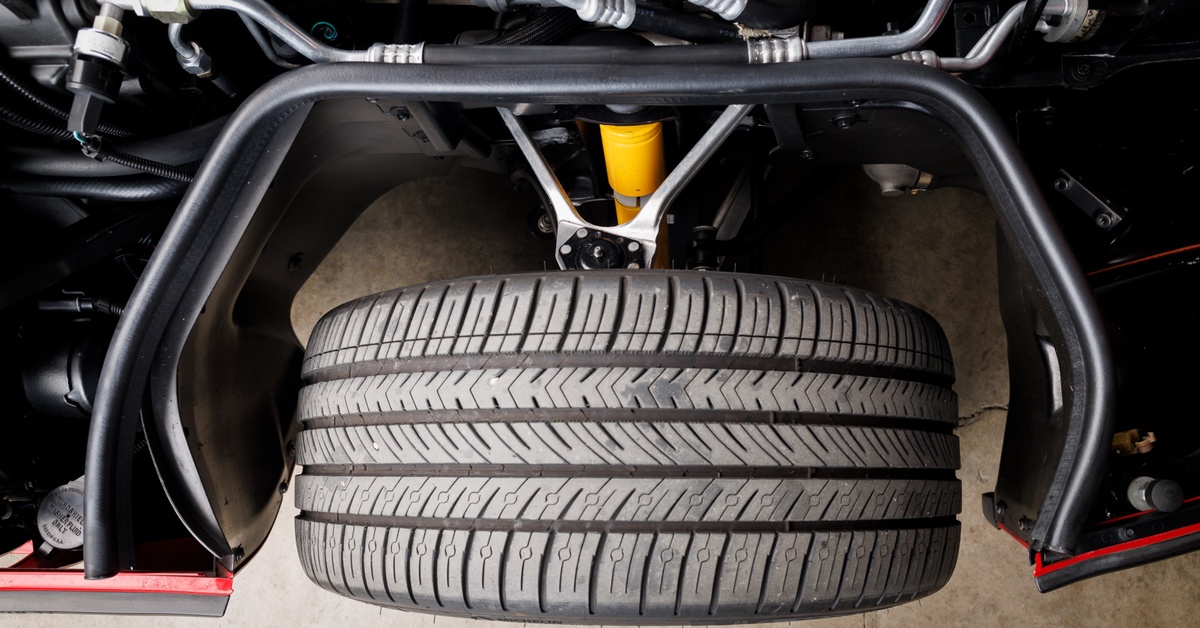
It helps to know what you’re working with before you start checking things over. Your Corvette’s suspension relies on several key parts working together.
- Shocks and dampers control movement and absorb road impact. When they wear out, the car starts to bounce more than it should.
- Springs support the car and maintain ride height. Weak springs can cause sagging or an uneven stance.
- Control arms connect the suspension to the frame and keep everything aligned. Damage here can affect handling.
- Bushings reduce vibration and allow smooth motion. Worn bushings often lead to noise and a rougher feel.
- Ball joints help your steering stay precise. When they loosen, steering can feel unpredictable or unsafe.
If one of these starts to wear down, the rest of the system has to pick up the slack. That’s usually when you start feeling changes in how the car drives.
Signs Something Isn’t Right
Your Corvette will usually give you a heads-up when the suspension needs attention. You have to notice the changes.
You might feel:
- A bouncy or rough ride
- Clunking or squeaking noises
- Steering that feels loose
- Uneven tire wear
- The front end dips more than usual when braking
These issues tend to build over time. What starts as a small noise or slight vibration can become noticeable handling problems if you let it go for too long.
How Often Should You Check It
You don’t need to wait for issues to arise. Regular inspections every few thousand miles can help you anticipate wear.
If your Corvette frequently travels on rough roads or sits idle for long periods, inspect it more regularly. Sitting can cause bushings to dry out as much as heavy driving can cause wear.
Developing a habit of checking your vehicle at the beginning of each driving season allows you to address minor problems early, preventing them from becoming larger issues. This practice also ensures you maximize each driving experience.
A Simple Suspension Check You Can Do Yourself
You don’t need a full shop setup to spot common issues. A basic inspection goes a long way.
Quick Checklist
- Look for fluid leaks on shocks
- Check springs for sagging or cracks
- Inspect bushings for wear or dryness
- Test for play in ball joints
- Look over control arms for rust or damage
- Check tires for uneven wear
After that, take it for a short drive. Pay attention to how it feels over bumps and through turns. If something feels off, it usually indicates a specific part needs attention.
When It’s Time to Replace Parts
You don’t need to wait until something breaks. If your car feels different, that’s a sign to inspect it more closely. There’s a distinction between worn parts and completely failed ones: worn components can lower performance, whereas failed parts might compromise safety.
Detecting issues early helps you control repairs more effectively. It’s also recommended that you replace certain parts in pairs—such as replacing both shocks at once to ensure a balanced, smooth ride.
Using a mix of old and new parts can cause uneven handling. Installing fresh suspension components can significantly improve your Corvette’s driving experience, offering better control, comfort, and stability almost instantly.
After replacing suspension parts, always perform an alignment to ensure everything functions harmoniously and to prevent uneven tire wear.

Choosing Parts That Actually Fit Your Corvette
Not every part out there is a good match for your car. You want components built for your Corvette’s year and setup.
Volunteer Vette Products offers a wide selection of parts for classic Corvettes, making it easier to find what fits and works right. Their focus on Corvette-specific inventory helps owners avoid the guesswork that often comes with generic parts.
When you’re picking parts, focus on:
- Exact fit for your model year
- Long-term durability
- Performance that matches how you drive
Choosing quality parts from the start helps you avoid repeat repairs and keeps your Corvette performing consistently.
Thinking About Suspension Upgrades
If you want to improve your Corvette’s handling, upgrades can make a noticeable difference.
Performance shocks can tighten up cornering and reduce body roll. Updated bushings can sharpen steering response and reduce unwanted movement. Some modern components even improve ride comfort without taking away that classic feel.
Think about how you use your Corvette. If you enjoy more aggressive driving, upgrades can make the car feel more responsive. If you prefer a factory-correct experience, sticking with original-style parts makes more sense.
How Suspension Changes the Way Your Corvette Feels
You feel your suspension every time you drive. It affects how the car reacts when you turn, brake, or hit uneven pavement.
When everything works as it should, you get:
- Smooth, controlled driving
- Better steering response
- More confidence at higher speeds
- Longer-lasting tires
It’s one of those systems you don’t think about until something feels off. Once it’s dialed in, you notice the difference right away.
Keep Your Corvette Driving the Way It Should
Taking care of your suspension doesn’t need to feel complicated. Stay consistent with inspections, replace worn parts early, and use components you trust.
This ultimate guide to Corvette suspension maintenance gives you a straightforward way to stay on top of it without overthinking things. A little attention goes a long way in keeping your Corvette enjoyable to drive and reliable over time.
When it’s time to swap out worn components, choosing the right parts matters. Take a look at trusted options like our 1980 Corvette parts to restore the ride quality and handling your Corvette deserves.
Stay on top of it now, and your Corvette will keep rewarding you every time you get behind the wheel.
Speak Your Mind