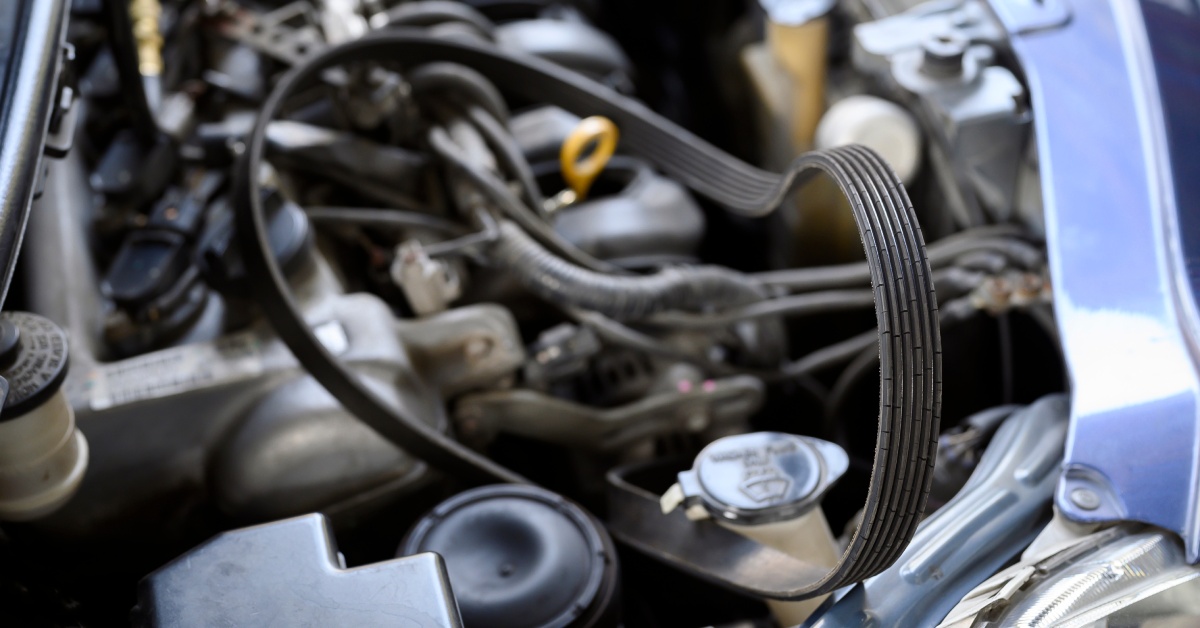
Your Corvette relies on a single reinforced rubber belt to run multiple accessories simultaneously. This continuous loop transfers power from the crankshaft to the alternator, power steering pump, water pump, and air conditioning compressor. If this component fails, your V-8 engine will lose its high-performance capability. Rubber parts naturally break down over time from heat and friction. Spotting early signs of wear helps schedule maintenance in advance and avoids urgent repairs.
Here are a few signs that you need to replace your Corvette’s serpentine belt before a snap leaves the vehicle stranded on the roadside. Neglecting this part risks severe engine damage and costly repairs.
High-Pitched Squealing From The Engine Bay
A loud chirp or squeal from the front of the engine usually indicates belt trouble, often during engine start or heavy acceleration. The noise results from rubber slipping on metal pulleys due to wear or glazing, which causes a shiny, slick surface that reduces grip.
Misaligned pulleys or improper tension can also cause chirping and slipping, leading to shrieks. Moisture exacerbates the problem by lubricating worn belts, especially after rain or puddles. Although the noise may lessen as the engine warms, the underlying traction issue persists.
Loss Of Power Steering Assist
Corvettes require precise steering, supported by a power steering pump driven by a serpentine belt. If the belt slips or stretches too much, the pump won’t spin at the correct speed, leading to sudden stiffness in the steering wheel. This makes the vehicle harder to steer, especially at low speeds. Signs such as steering hesitation or a “jerky” sensation during turns indicate intermittent belt grip, which causes the pump to engage and disengage rapidly and hydraulic pressure to fluctuate.
These symptoms pose safety concerns since reliable steering is essential for maneuvering and avoiding obstacles. A total belt failure results in the loss of power assist, making steering much more physically demanding.
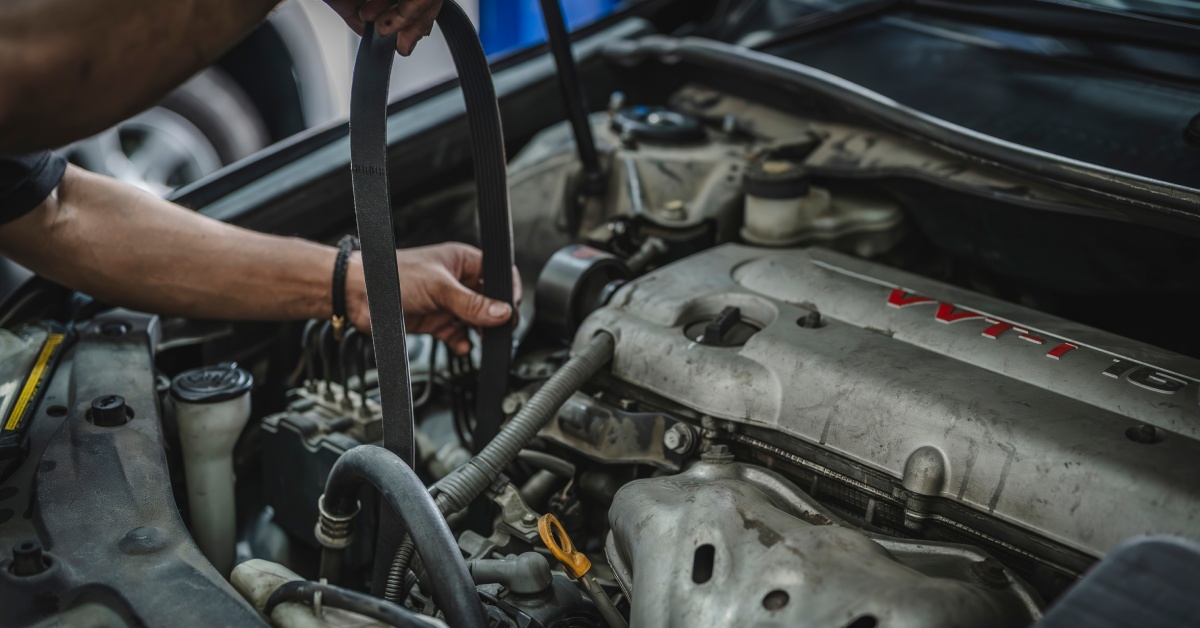
Engine Running Hotter Than Normal
The water pump circulates coolant through the engine to manage temperatures, powered by the serpentine belt in most Corvettes. A slipping or broken belt stops coolant flow, causing heat buildup. Drivers should suspect belt issues if the temperature gauge rises, as even partial slippage reduces cooling efficiency.
Immediate action is critical if the gauge nears red to prevent engine damage. Overheating can warp components and seize bearings, with a loose belt being a key cause. Checking the belt helps rule out simple problems before further diagnosis.
Air Conditioning Blowing Warm Air
The air conditioning compressor requires consistent rotational force to compress the refrigerant and remove heat from the cabin. A worn belt slips over the compressor clutch pulley, preventing the system from reaching the required pressure. Consequently, the vents blow tepid or warm air instead of a refreshing cool breeze.
You might notice the AC light blinking or the system cycling on and off rapidly. This behavior occurs because the compressor speed does not match the engine RPM due to slippage. While a lack of AC feels like a minor inconvenience compared to overheating, it serves as an early warning. The same belt drives the water pump and alternator. If it slips on the AC compressor, it likely slips elsewhere.
Visible Physical Damage To The Rubber
Visual inspections reveal the rubber’s actual condition. Examining the belt requires a flashlight and a clear view of the pulleys. Cracks running across the ribs indicate that the material has dried out and lost flexibility. As the belt bends around the pulleys, these cracks expand and eventually sever the ribs.
Missing Chunks And Rib Separation
Advanced wear manifests as missing rubber chunks. When pieces of the ribs fall off, the belt vibrates excessively, damaging the pulleys. Rib separation occurs when the adhesive bond between the layers fails. You might see long strands of material peeling away from the main body. This type of damage signals imminent failure.
Abrasion And Pilling
Abrasion on the back side of the belt suggests contact with a stationary object or a seized idler pulley. Pilling is the accumulation of rubber dust in pulley grooves. This accumulation causes the belt to shear off material as it rotates. Over time, this debris accumulates in the grooves and raises the belt off the pulley, causing slippage and eventual ejection.
Glazing And Shiny Spots
A healthy belt has a matte-black finish. A glazed belt looks shiny and feels brittle. This slick surface results from excessive heat and friction. Glazing necessitates replacement because no amount of tension restores the lost grip. Hardened rubber cracks more easily and fails to transmit power efficiently.
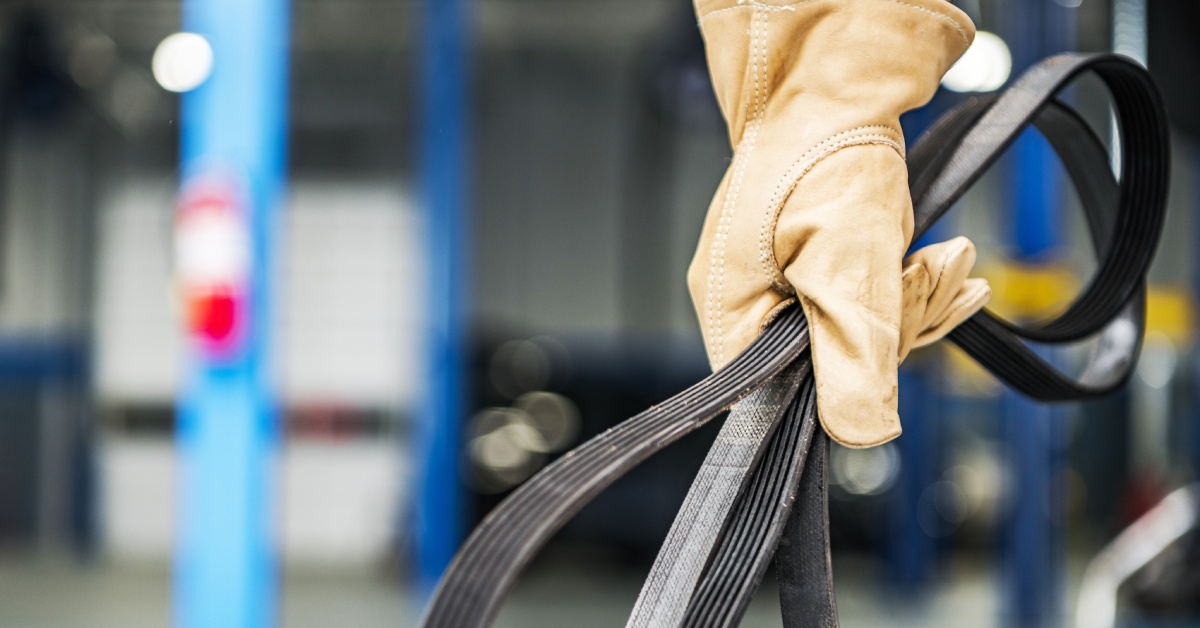
Battery Warning Light Illumination
The alternator generates electricity to charge the battery and power the vehicle’s electrical systems while the engine runs. The serpentine belt spins the alternator. If the belt breaks, the alternator stops spinning, and the charging system fails. The battery light on the dashboard illuminates immediately.
Dim headlights, slow power windows, and a fading radio display accompany this warning light. The car will continue to run only until the battery is fully depleted. Once the voltage drops below a certain level, the fuel injectors and spark plugs lose power, causing the engine to stall. A loose belt may cause the battery light to flicker during acceleration or when using high-draw accessories such as the rear defroster.
Identifying Tensioner Failure
Sometimes the belt looks fine, but the tensioner fails to hold it tight. The tensioner applies constant pressure to the belt to compensate for stretching and wear. A weak spring inside the tensioner allows the belt to slap against other components.
To check the tensioner, observe the arm while the engine idles. A healthy tensioner shows minimal movement. Violent bouncing or vibration indicates the internal dampener failed. Listen for a grinding noise coming specifically from the tensioner pulley bearing. A seized bearing burns through a new belt in minutes. Replacing the tensioner alongside the belt ensures proper operation and extends the new component’s lifespan.
Maintenance Schedules And Inspection Intervals
Manufacturers recommend inspecting the accessory drive system at every oil change. Most belts last between 60,000 and 100,000 miles, but age affects rubber regardless of mileage. A Corvette stored for long periods develops dry rot on the belts.
Performing a quick visual check involves looking for the signs that indicate you need to replace your Corvette’s serpentine belt, as discussed above. Pressing on the belt’s longest span checks for tension. It should feel firm and deflect only slightly. Excessive slack indicates a stretched belt or a faulty tensioner.
Preventative replacement beats a roadside breakdown. Keeping a spare belt and the necessary tools in the car enables a quick fix if a failure occurs away from home. Swapping a belt takes less time than waiting for a tow truck.
Keeping Your Vette On The Road
Owning a Corvette requires understanding its mechanical nuances. The serpentine belt connects the engine to vital systems. Ignoring wear symptoms like squeals, heavy steering, high temperatures, and battery warnings risks safety and engine health. Regular inspections and quality parts ensure proper system function. Whether for daily driving or shows, the belt deserves respect.
Volunteer Vette Products offers a comprehensive catalog of parts to keep your vehicle running strong. We stock everything from 1976 Corvette parts to modern accessories. Browse our selection today to find the exact belt and tensioner your project requires.
Speak Your Mind