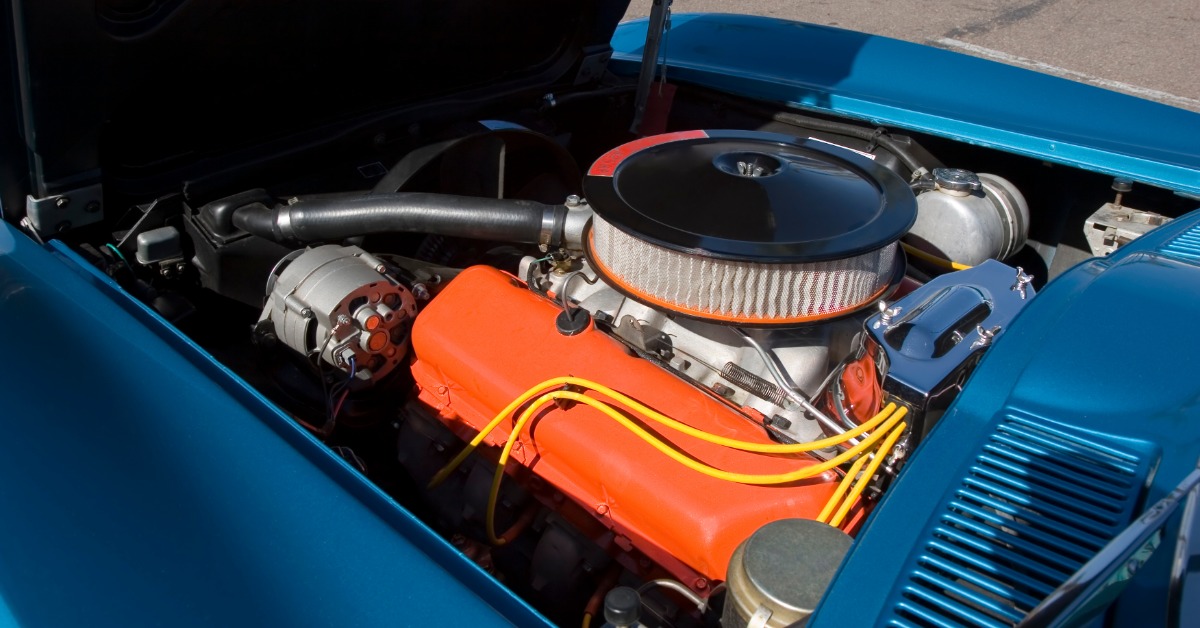
The ignition system in a Corvette significantly influences how easily the engine starts and how smoothly it operates once running. Worn or outdated parts can lead to difficult starts, hesitation, or uneven performance, even if the engine itself is in good condition.
A few smart changes can make an aging setup more dependable without taking the car too far from its original character.
To upgrade your Corvette’s ignition system, begin by understanding what is currently installed under the hood and selecting components compatible with your car’s model year, engine type, and driving requirements. Here are some initial tips to help you get started.
Identify the Ignition System Already in the Car
Before buying new parts, find out which ignition system your Corvette currently uses. Chevrolet changed ignition technology across the model years, and previous owners may have modified older cars along the way.
Many early Corvettes left the factory with breaker points inside the distributor. Those systems rely on physical contacts that open and close as the distributor turns. Regular wear slowly changes the point gap, which can affect timing and spark quality.
By the mid-1970s, Chevrolet had introduced High Energy Ignition, often called HEI. Later Corvettes moved toward computer-controlled ignition systems that manage spark timing differently.
Look at what’s installed rather than relying only on the model year. An older car may already have an aftermarket distributor or an electronic conversion hidden inside a stock-style housing.
Decide How Much You Want To Change
An ignition upgrade doesn’t have to mean replacing every component under the hood. The right level of modification depends on what you want from the car.
Owners who value a factory-style engine bay may prefer to rebuild the original distributor and keep the existing appearance. Others may want an electronic conversion that reduces routine maintenance while leaving much of the original hardware in place.
A driver who spends more time on the road may prefer a modern distributor that requires less adjustment. The goal should match the car rather than following an upgrade simply because it offers higher advertised output.
Consider originality before removing factory parts that may matter to the car’s restoration value or overall character.
Consider Electronic Ignition for a Points-Style Setup
Breaker points can work well when they’re adjusted correctly, but they require periodic attention. As the contacts wear, the gap changes and ignition performance can become less consistent.
An electronic conversion removes the mechanical switching function from the points system. Depending on the setup, you may install a conversion inside the original distributor or replace the distributor with a newer electronic unit.
A hidden conversion appeals to owners who want easier maintenance while keeping the engine bay close to its original appearance. A replacement distributor may make more sense when the existing unit already has shaft wear or other damage.
Before choosing either route, check compatibility with the Corvette’s tachometer and surrounding components. Some early models use mechanical tachometer drives that limit which distributors will work without further changes.
Check HEI Fitment Before Making the Swap
HEI became popular because Chevrolet combined the ignition coil and control components into the distributor assembly. That design simplifies the system and removes several external pieces found on older setups.
The larger distributor cap can create fitment concerns in an older Corvette engine bay. Firewall clearance deserves attention, especially when the car wasn’t originally designed around an HEI distributor.
Some early Corvettes also use ignition shielding that can interfere with a larger distributor. If you want to keep factory shielding in place, check whether the distributor fits before ordering parts.
Mechanical tachometer compatibility matters as well. Corvette-specific tach-drive HEI distributors exist for certain applications, which can make the conversion easier for cars that rely on the original mechanical tach setup.
Make Sure the Wiring Supports the Upgrade
A new distributor won’t perform as intended if the wiring can’t supply the power it needs. Early points systems may use resistance in the ignition feed, while HEI systems generally need a full 12-volt supply during operation.
Inspect the ignition wiring before connecting a new distributor. Old insulation can crack near the engine, and previous repairs may leave loose connections that cause voltage loss.
Check the Electrical Side Before Startup
- Inspect the ignition feed for damaged insulation or loose terminals.
- Confirm the voltage requirement for the distributor you plan to install.
- Check engine grounds if the existing ignition has intermittent problems.
- Route wiring away from exhaust heat and moving components.
Address wiring concerns before diagnosing problems with a newly installed ignition system. Weak voltage can create symptoms that look like a bad distributor or ignition module.
Inspect the Spark Plugs and Plug Wires
A distributor upgrade works best when the rest of the ignition path remains in good condition. Old spark plugs or damaged wires can limit the benefit of new ignition components.
Inspect plug wires for cracks and damaged boots. Corvette engine bays can expose wires to plenty of heat, especially when routing places them close to exhaust manifolds or headers.
Check the spark plugs at the same time. Worn electrodes can weaken spark performance, while unusual deposits may point toward a separate engine issue that deserves attention.
Use the plug style and gap that match the engine and ignition setup. Don’t assume a larger gap will automatically improve performance after installing a higher-energy ignition.
When ordering Corvette car parts for the project, match the plugs and wires to the ignition system rather than choosing replacements based only on what was already installed.

Reset the Timing After Distributor Work
Removing or replacing a distributor changes ignition timing, even when the new unit drops into the same general position. Check the timing after installation rather than assuming the engine will run correctly without adjustment.
Start with the specification that applies to your Corvette’s engine. Modified engines may need a different setting depending on the camshaft or other engine changes.
Mechanical advance inside the distributor also affects how timing changes as engine speed rises. Vacuum advance can influence part-throttle operation on systems that use it.
Avoid copying a timing number from another Chevrolet engine simply because the two engines look similar. Small differences in the combination can change what works best.
After setting the timing, drive the car under normal conditions and listen for pinging or hesitation. If either appears, inspect the cause instead of making random timing changes.
Match the Upgrade to the Way You Drive
A restored weekend car and a frequently driven street Corvette can benefit from different ignition choices. One owner may want to preserve factory appearance, while another may care more about reducing maintenance.
Modified engines also deserve closer attention when choosing ignition parts. Compression changes or aftermarket camshafts can affect ignition requirements, which makes compatibility more important than simply choosing the strongest available spark.
The best Corvette ignition system upgrade fits the engine already in the car and works with its existing electrical system. It should also fit properly under the hood without forcing unnecessary changes elsewhere.
Finish With a Careful Post-Installation Check
Before closing the hood, inspect every connection again. Make sure each plug wire reaches the correct cylinder and sits firmly on the plug.
Start the engine and let it reach operating temperature. Pay attention to idle quality and throttle response, especially if the previous ignition system caused hesitation when warm.
A short road test can reveal issues that won’t appear while the car sits in the garage. Watch for misfires under load or changes in starting behavior after the engine heats up.
If your project calls for replacement ignition components or other restoration parts, Volunteer Vette Inc. carries parts for Corvettes from 1953 through 2013, with a strong focus on classic models. Browse their selection when you’re ready to keep your Corvette running the way it should.
Speak Your Mind