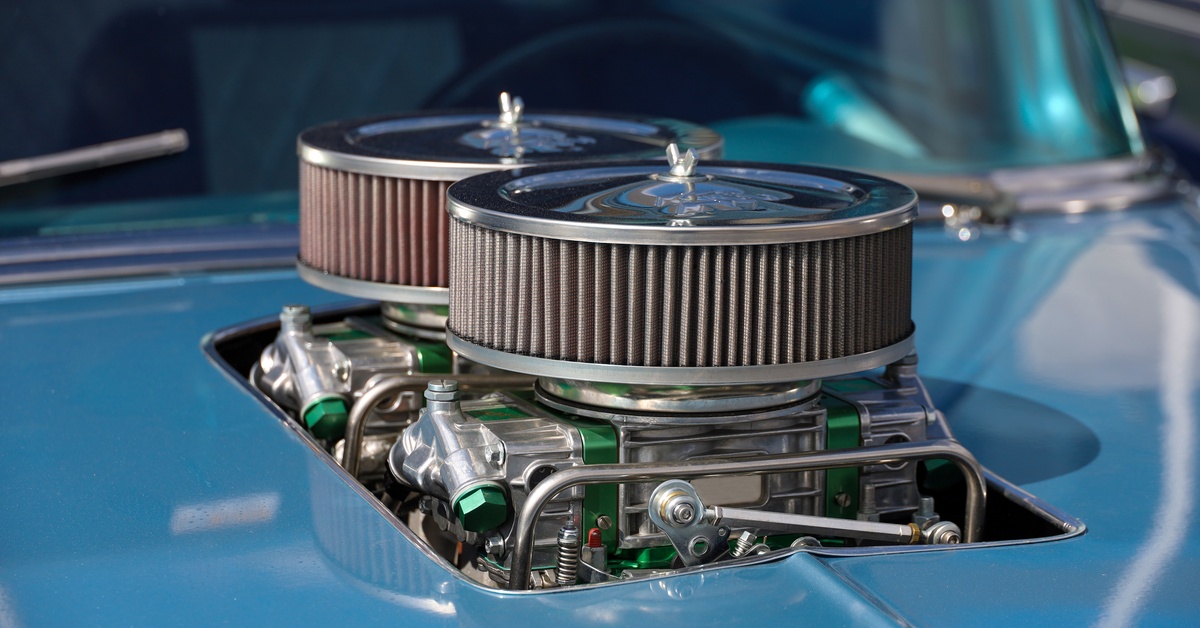
Owning a classic Corvette often means getting familiar with how the car likes to start, warm up, and settle into its idle. On a carbureted model, those habits can change when the weather shifts or an aging fuel-system component starts causing trouble.
Previous owners may have also changed the carburetor or other underhood components over the years, so the setup you’re working with may differ from what originally left the factory.
That history makes careful tuning especially useful on an older Corvette. These Corvette carburetor tuning tips for beginners can help you sort through rough idle or throttle hesitation without immediately changing settings that may already be correct.
Start by getting familiar with the car in front of you, then work through each possible cause one at a time.
Start With the Engine Before Tuning the Carburetor
Poor carburetor settings aren’t the only cause of a rough-running engine. Off ignition timing can create similar drivability problems. A vacuum leak can also send you toward the carburetor when the trouble started somewhere else.
Warm the engine to its normal operating temperature before evaluating the idle. The choke affects how a cold engine runs, which can make an otherwise healthy carburetor seem poorly adjusted.
If your Corvette ran well until recently, look for a new problem before changing its existing settings. A deteriorated vacuum hose or ignition problem can cause similar symptoms, so rule those out first.
Check the Basics Before Turning a Screw
A few observations can tell you where to focus before tuning begins. You don’t need to take the carburetor apart to gather useful clues.
Before making a change, check:
- Whether the choke opens after the engine warms up
- Whether the idle changes as the engine reaches operating temperature
- When hesitation occurs as you press the accelerator
- Whether you see fuel leaking around the carburetor
These details give you a clearer starting point. They also help separate a carburetor adjustment from a problem that needs repair.
Know Which Carburetor You’re Working With
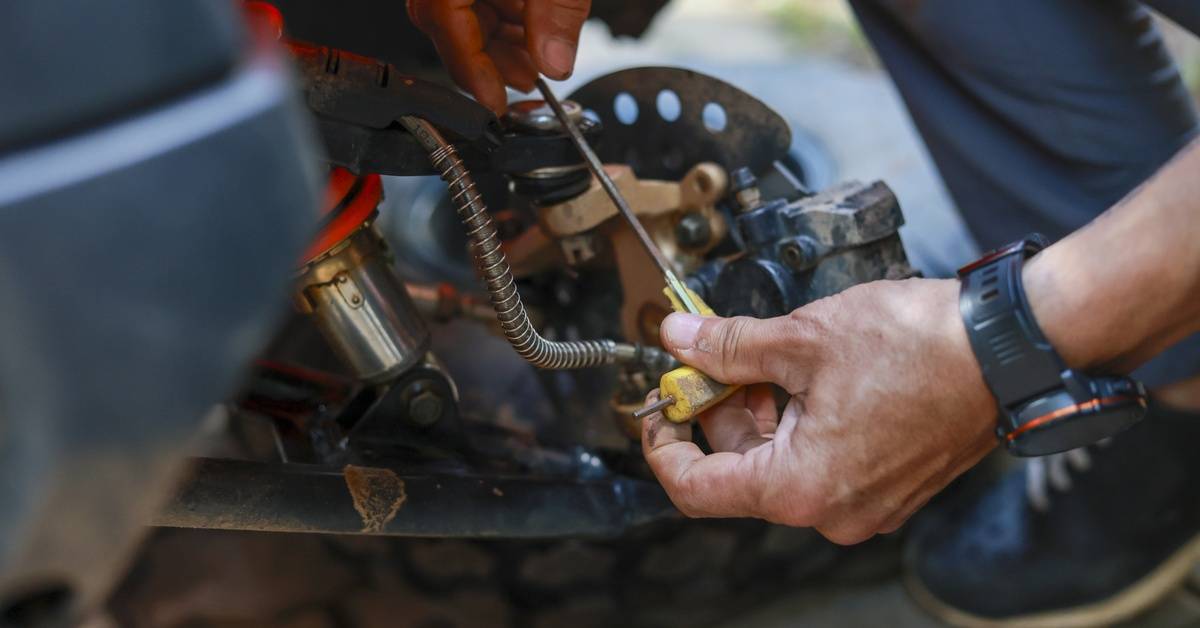
Classic Corvettes used different carburetors across their model years and engine combinations. Rochester and Holley units appear on many older models, and each design has its own tuning procedures.
Don’t assume the carburetor under the hood matches what Chevrolet originally installed. Decades of repairs and performance changes mean many cars now carry replacement units. A previous owner may have also changed the intake or other related components. Check identifying numbers or markings before following a tuning procedure.
That matters when ordering components, too. Someone searching for 1969 Corvette parts may find that the car’s current carburetor setup differs from its factory configuration. Confirm what’s on the car before choosing replacement fuel-system components.
Rule Out Vacuum Leaks
An unwanted source of air can upset the mixture before you make a single carburetor change. Depending on the source, a vacuum leak may show up as a high idle or an engine that refuses to settle into a steady rhythm.
Start with the accessible vacuum hoses and their connections. Look closely at the carburetor base as well. Age can harden rubber hoses and weaken seals, while a loose connection may cause trouble without drawing much attention during a quick inspection.
Once you correct a confirmed leak, start the engine and reevaluate its behavior. You may find that the idle changes enough to alter what you need to do next.
Set the Idle Speed With the Engine Warm
Once you’ve ruled out obvious problems, move to idle speed. Bring the engine up to operating temperature and make sure the choke has opened. Use the specification for your engine and transmission rather than choosing an idle speed based only on sound.
Resist the temptation to turn up the idle speed whenever the engine wants to stall. A higher setting can mask another issue without correcting its cause.
Work in small increments. Give the engine time to settle after each change so you can tell whether the adjustment helped.
Keep Track of Your Changes
It’s surprisingly easy to lose track of carburetor settings after several turns of a screwdriver—record where you started before changing anything.
A simple tuning record can include your starting screw positions and each change you make. Add a quick note about how the engine responded.
If the engine runs worse, those notes give you a path back. You’ll also have a clearer picture of which changes produced a noticeable result.
Fine-Tune the Idle Mixture Carefully
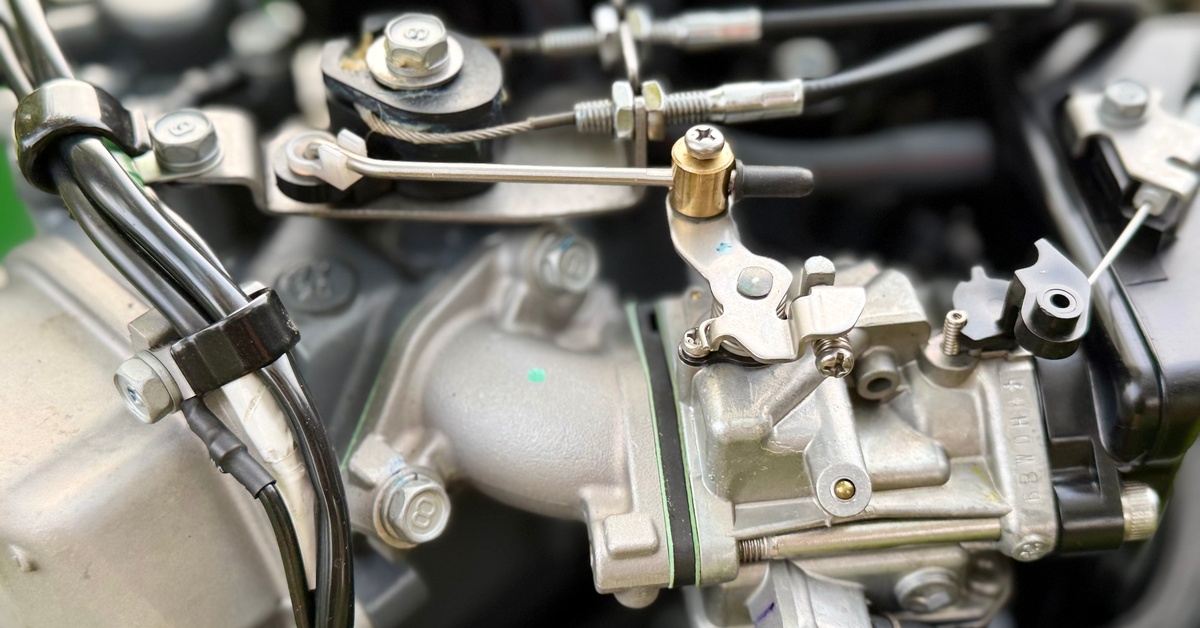
The idle-mixture screws affect operation at idle and during low-speed running. Their position and adjustment procedure vary by carburetor, so use information that matches your Corvette.
Make small changes rather than turning a screw far in either direction. When the carburetor design calls for the screws to work together, keep your adjustments balanced.
A vacuum gauge can make the engine’s response easier to follow. Watch for a steady reading while following the proper procedure for the engine. Give the idle a few moments to stabilize between changes instead of immediately reaching for the screwdriver again.
Don’t chase a perfect setting by continually moving the screws. Once the engine settles into a consistent idle within spec, further changes may take you away from a good setting.
Trace Hesitation Beyond the Idle Circuit
A smooth idle doesn’t guarantee clean response when you press the accelerator. If the engine stumbles as the throttle starts to open, look beyond the idle-mixture screws.
The accelerator-pump circuit helps provide fuel as the throttle opens. With the engine off, inspect its operation using the procedure for your carburetor. Check the throttle linkage for free movement at the same time.
If the stumble appears only when you open the throttle, keep your attention on the off-idle circuit before changing the idle mixture again. Making the mixture richer may cover up the symptom without addressing its source.
Give Your Corvette Time to Respond
Good carburetor tuning rarely comes from making several changes at once. The better approach is to make a small adjustment, let the engine settle, and see how your Corvette responds. If the car recently came out of storage, old fuel or aging components may also deserve attention before you keep changing the settings.
The same mindset applies to beginner Corvette carburetor tuning tips in general: know what you’re working with and change only what the symptoms point toward. If adjustments don’t hold or a problem keeps returning, the carburetor may need repair rather than further tuning.
A properly sorted carburetor can make an older Corvette much more enjoyable from the first startup to the next drive. When worn fuel-system components need attention, Volunteer Vette carries classic Corvette parts for repair and restoration so you can find components that fit your model and get back to enjoying the car.
Speak Your Mind