
A classic Corvette’s interior tells you plenty about how the car has spent its years. Sun-faded seats, worn carpeting, and a cracked dash can make an otherwise beautiful restoration feel unfinished. Even a well-maintained car can show its age inside, especially after decades of summer drives and garage storage.
If you’re ready to freshen up the cabin, a few interior restoration tips for classic Corvettes can help you decide where to begin. From preserving original details to choosing replacement materials, the goal is to bring back the look and feel that made your Corvette special in the first place.
Start With a Thorough Interior Inspection
Before ordering replacement pieces, closely inspect the cabin’s current condition. Some components may need little more than careful cleaning, while others have deteriorated beyond repair.
Check the seats for torn upholstery and weakened foam. Look beneath the carpeting for moisture damage, particularly around the floorboards and footwells. On older models, inspect the door panels and dashboard for cracks that may have developed after years of sun exposure.
Pay attention to how everything fits, too. Loose trim or uneven panel gaps may point to previous repairs that need attention.
Photograph the interior before removing anything. Those pictures will come in handy when you’re figuring out where each piece belongs during reassembly.
Restore Your Corvette Seats Without Losing Their Character
Few interior features draw your attention faster than the seats. Their condition affects how the cabin looks, and worn cushions can make even a short drive uncomfortable.
If the original seat frames remain sturdy, you may only need new upholstery and foam. Inspect the springs and mounting hardware before deciding how much work the seats require.
Choose Upholstery That Matches Your Restoration Goals
Factory-style seat covers can help preserve the original appearance, particularly on C1, C2, and C3 models. However, material choices and stitching patterns changed across model years, so it’s worth checking for accurate fitment.
Vinyl remains a familiar choice for many classic interiors, while certain models offered leather upholstery. Consult your Corvette’s original specifications before selecting replacement covers.
Don’t overlook the seat foam. Fresh upholstery stretched over deteriorating cushions can make seats look uneven and feel uncomfortable.
Give the Dashboard and Interior Trim Some Attention
Years of sunlight can leave dashboard surfaces brittle or discolored. Older Corvettes may develop cracks around the instrument panel, while faded trim can make the surrounding surfaces look mismatched.
Start by cleaning each component with products appropriate for its material. Harsh solvents can damage older plastics and painted finishes, especially when previous repairs have weakened the surface.
For severe cracking, replacement may provide a better result than repeated patching. Check the dashboard’s model-year compatibility before purchasing, since mounting points and instrument layouts vary.
Take your time around the gauges and switches. Older wiring connections may have become fragile, and forcing a stubborn trim piece can create another repair.
Replace Worn Carpeting and Check What’s Underneath
New carpeting can dramatically change the cabin’s appearance, especially when the original material has faded or developed stubborn odors.
Before pulling up the old carpet, examine how the factory pieces fit around the transmission tunnel and seat mounts. Their placement provides a useful reference when installing replacements.
After removing the carpet, inspect the floorboards for moisture and corrosion. Although Corvettes use fiberglass body construction, their metal floor components and supporting structures can still suffer damage.
Address leaks before installing fresh material. Otherwise, trapped moisture may ruin your work and leave unpleasant odors behind.
Choose carpeting that matches your model’s original style if factory accuracy matters. Properly fitting molded sections can also reduce the amount of trimming you’ll need during installation.

Refresh Door Panels and Interior Hardware
Door panels take plenty of abuse over the years. Repeated contact, aging materials, and loose fasteners can leave them looking tired long before the rest of the cabin needs attention.
Inspect the panel backing before deciding whether to repair or replace it. If moisture has warped the material, new upholstery alone won’t correct the poor fit.
While the panels are off, check the window mechanisms and door hardware. It’s easier to address a sticking window regulator when you already have access to the components.
Pay attention to the smaller details during reassembly:
- Replace brittle panel clips that no longer hold securely.
- Check window cranks and door handles for excessive play.
- Inspect weatherstripping where it meets the glass.
- Align the panels carefully before tightening fasteners.
These small repairs can make the doors feel more solid and help the interior look properly finished.
Preserve Original Details Whenever Possible
Part of restoring an older Corvette involves deciding what deserves replacement and what you can preserve.
Original trim pieces, hardware, and interior finishes contribute to the car’s character. If you’re working on a historically accurate restoration, replacing serviceable components with incorrect reproductions may work against your goals.
Research the interior configuration for your specific year before making major changes. Even cars from the same generation can have differences in console design or upholstery patterns.
For example, a 1968 C3 interior doesn’t share every detail with a 1982 model, even though they belong to the same generation. Matching components to the production year helps maintain a consistent appearance.
When you need replacements, browsing Corvette parts by model year can help narrow your search.
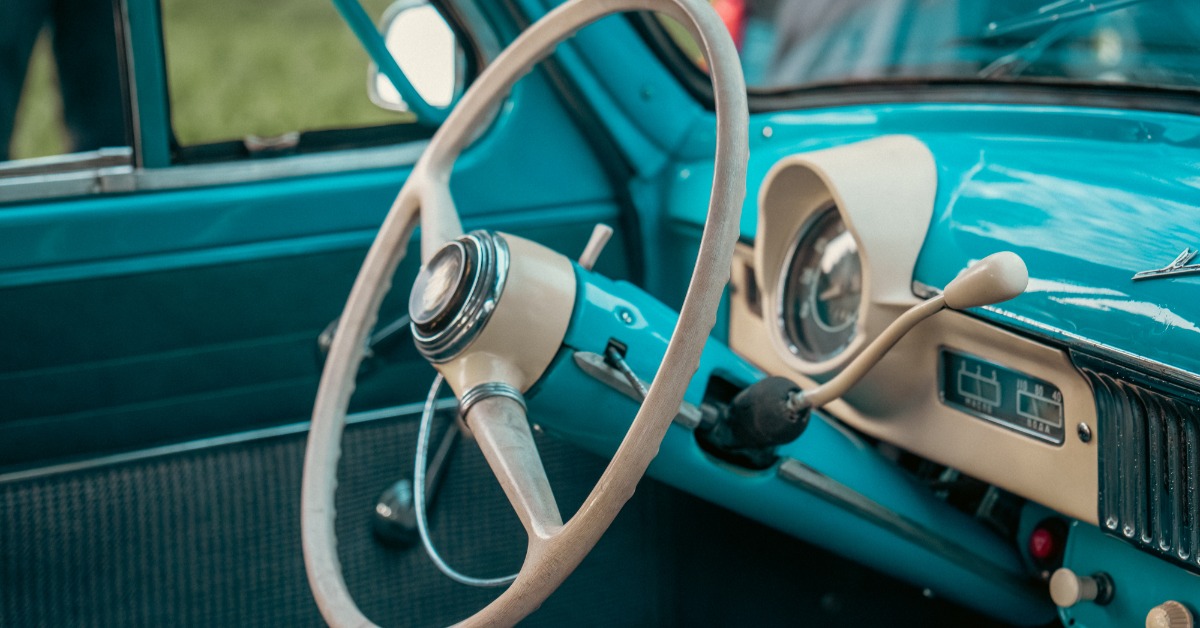
Check Interior Electrical Components Before Reassembly
An attractive cabin loses some of its appeal when the gauges don’t work, or the courtesy lights refuse to turn on.
Before reinstalling dashboard trim, inspect the accessible wiring and electrical connections. Look for cracked insulation, loose terminals, and evidence of previous modifications.
Older Corvettes can develop electrical problems around switches and instrument clusters as connections age. If you find damaged wiring, repair it using the appropriate wiring diagrams rather than guessing at the connections.
Test the interior lights and gauges before closing everything up. You’ll save yourself the frustration of removing freshly installed panels to reach a forgotten connection.
Finish Your Restoration With Proper Fit and Care
Once the larger repairs are complete, focus on how the interior comes together. A beautifully upholstered seat won’t look its best beside a poorly aligned console or loose trim.
Install components patiently, following the proper sequence for your model year. Avoid overtightening screws into aging plastic, since excessive pressure can cause cracks.
After reassembly, keep the cabin clean with products suitable for its materials. Protect the interior from prolonged sunlight whenever possible, particularly if your Corvette spends time parked outdoors. A thoughtful restoration should make you look forward to opening the door every time you take the car out.
Bring Your Classic Corvette’s Interior Back to Life
The best classic Corvette interior restoration tips begin with understanding what your car needs and respecting the details that make its model year distinctive. Careful repairs and properly fitting replacement pieces can help the cabin feel welcoming again without sacrificing its original personality.
Whether you’re refreshing worn upholstery or tackling a larger restoration, Volunteer Vette offers interior components for classic models. Browse our selection to find parts that fit your Corvette and keep your restoration moving forward.
Speak Your Mind