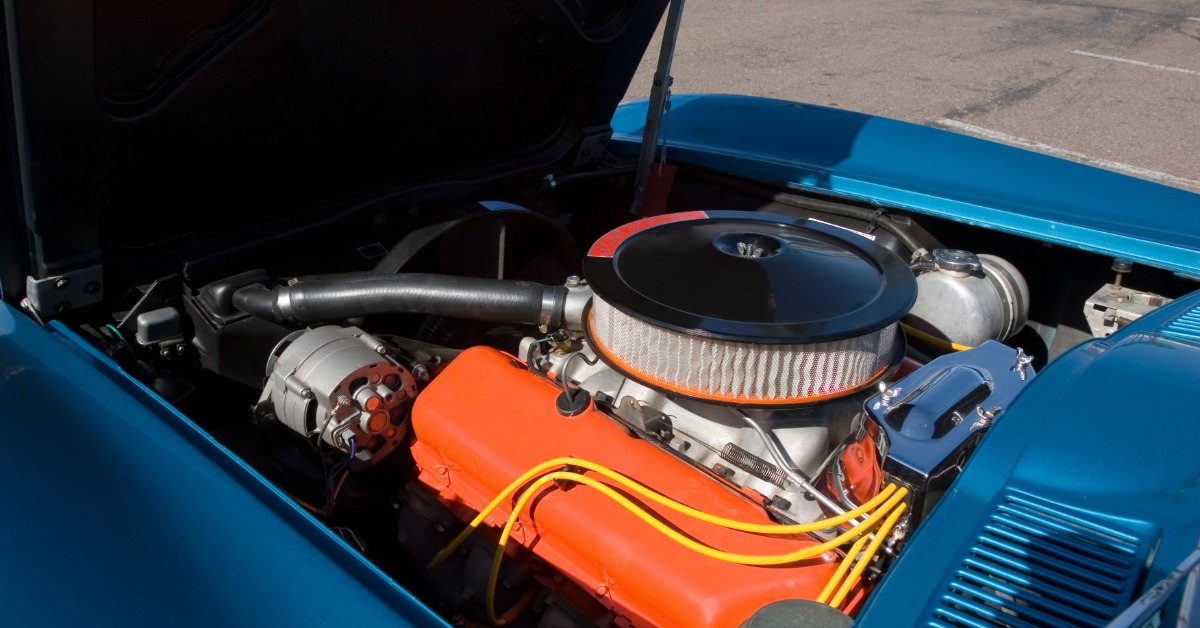
A Corvette may sit for days or months between drives, which gives gasoline more time to age. Rubber components can harden during those pauses, while small leaks may form without leaving a visible puddle. Classic models often carry added risk because many still use original-style tanks, lines, or carburetor parts.
Knowing how to care for your Corvette’s fuel system properly helps maintain drivability and reduces the risk of a roadside problem. Your routine should match the model year and fuel delivery setup.
Carbureted models need different attention than later fuel-injected cars, though every generation benefits from fresh fuel and timely inspections. Start with the areas that affect fuel quality and flow from the tank to the engine.
Start With Fresh, Correct Fuel
Check the owner’s manual for the recommended octane. Higher octane won’t boost power if not needed, and lower octane can cause spark knock in older engines, prompting management systems to reduce timing. Freshness is as important as octane; buy fuel from busy stations with regular tank turnover and treat fuel before storage.
Ethanol blends are also crucial in older models, as aged hoses and seals may not tolerate ethanol, which can attract moisture and cause corrosion. Always verify if your fuel system materials can handle ethanol blends.
Check Fuel Lines From Tank to Engine
Fuel lines spend years exposed to heat and vibration. Metal sections often corrode near bends or retaining clips. Flexible hoses tend to crack around fittings where stress builds.
Follow the line route whenever you have safe access to it. Look for damp areas near connections and inspect metal sections for surface rust. Replace any hose that feels swollen, brittle, or unusually soft.
Use automotive fuel hose rated for the pressure in your Corvette. General-purpose rubber hose may fail under engine heat or gasoline exposure. Secure each connection with fittings and clamps made for the application.
Let the engine cool after a drive and inspect the system again. Look around the pump, filter, carburetor inlet, or fuel rail. A faint stain can reveal a slow leak before fuel reaches the floor.
Don’t ignore an odor after parking. Vapors may escape through a damaged cap seal or cracked vent hose even when you can’t see liquid gasoline.
Replace the Filter Before Flow Drops
The fuel filter protects small passages inside the carburetor or injectors. As debris collects, the engine may receive enough fuel at idle yet struggle once demand rises.
Watch for these common signs:
- Longer cranking before startup
- Hesitation during acceleration
- Power loss at higher rpm
- Surging at a steady speed
- Debris inside the filter
Follow Chevrolet’s service interval when one applies to your model. A Corvette with no maintenance records may need an early inspection, especially after a long period in storage.
Install the replacement in the correct direction when the housing includes an arrow. Keep it away from exhaust heat and inspect each connection after startup.
A new filter that clogs again within a short period points to another problem. Rust may remain in the tank, or an aging hose may have started breaking down internally.

Stop Tank Contamination Before It Spreads
The tank often causes recurring fuel problems because contamination starts upstream. Classic steel tanks can collect moisture during storage, and rust flakes may move into the lines once the car returns to the road.
Inspect the cap seal and filler neck for damage. Cracked vent hoses can release fumes or allow moisture into the system.
Rust that keeps returning in a fresh filter usually means the tank needs attention. Carburetor work won’t solve the problem while contaminated fuel continues moving forward. Light corrosion may respond to professional cleaning, while heavy damage often calls for replacement.
Badly degraded gasoline needs proper removal. Adding fresh fuel won’t reverse varnish or heavy oxidation. Use an approved container and follow local disposal rules.
Give Carbureted Models Focused Care
Many classic Corvettes use Rochester carburetors, including Quadrajet units on C3 models. Others now use aftermarket designs. Each needs clean fuel and controlled pressure.
Look for staining near the inlet fitting or around the bowl. Black exhaust smoke indicates an overly rich condition. A strong fuel smell after shutdown may signal flooding or seepage. The choke should move freely and open with engine warmth. Throttle linkage also needs smooth operation.
Avoid adjusting mixture screws if idle quality changes without checking ignition or vacuum leaks. Mechanical fuel pumps should be checked too. A damaged diaphragm can allow fuel into the crankcase. Investigate if the oil smells like fuel or rises for no reason.
Test Fuel-Injected Models Before Replacing Parts
Later Corvettes use electric pumps and controlled fuel pressure. Worn parts can cause symptoms similar to ignition or sensor issues.
Listen for pump noise when turning on the ignition; a sudden change warrants attention, but noise alone doesn’t confirm failure. Low fuel or a restricted filter may also affect sound. Fuel pressure testing is more accurate: compare the reading to specifications.
Pressure drop under load may signal a weak pump, filter, or voltage problem. Injector issues can cause rough idle or hesitation. Check trouble codes, inspect the ignition, and look for vacuum leaks before replacing injectors. Use fuel cleaners carefully: choose the right product, follow instructions, and avoid excess, as more cleaner won’t improve results.

Match Fuel Delivery to Engine Upgrades
Engine modifications can raise fuel demand, especially when they improve airflow or support higher rpm. The original pump or line size may no longer support the new combination.
When installing C3 Corvette performance parts, review the entire fuel path rather than focusing only on the carburetor. Check pump capacity and confirm that the filter can support the required flow under load.
Carbureted engines also need the correct pressure. Excess pressure may overpower the needle and seat, causing flooding. Low flow may leave the engine lean during hard acceleration.
Follow the specifications for each component. A system that looks fine at idle may still fall short on the road.
Prepare the Fuel System for Storage
Gasoline can oxidize during storage, leading to deposits in small passages. The effects are often most visible in carburetor bowls because the fuel is exposed to air.
To prevent this, start with fresh gasoline and add a compatible stabilizer at the recommended ratio. Drive the Corvette long enough to ensure the treated fuel circulates throughout the system. Avoid starting the engine for a few minutes while the car is parked, as a short run might leave moisture that lacks enough heat to evaporate.
A proper drive, under suitable road conditions, is more effective. Before the first drive after storage, check underneath the car for stains and inspect the engine compartment. Once pressure is built, recheck all fuel connections.
Address Warning Signs Early
Fuel system problems often begin with a small change in the Corvette’s behavior. Starting may take longer than usual, or the engine may hesitate when you open the throttle. A persistent gasoline odor calls for immediate attention.
Begin with the fuel’s age and condition. Inspect visible hoses before checking the filter or testing pressure. Careful diagnosis helps separate a fuel issue from an ignition fault or vacuum leak.
Following a routine for proper Corvette fuel system maintenance supports consistent starts and dependable power. Volunteer Vette Inc. carries Corvette parts and accessories for model years 1953 through 2013. Browse the available components for your generation, or contact the team for help finding a fuel system part that fits your repair.
Speak Your Mind